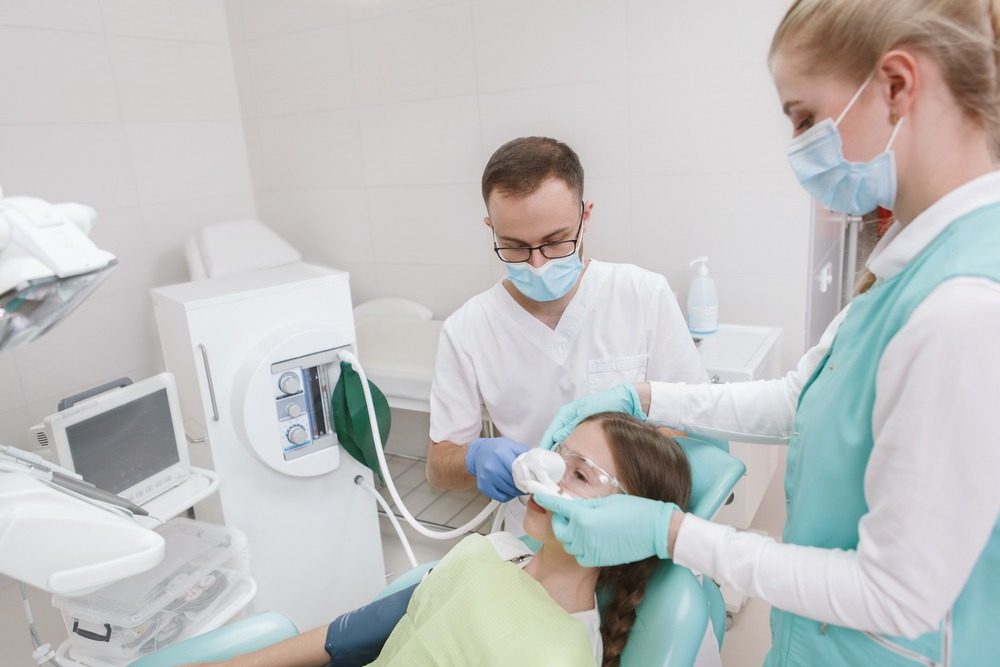
Dental appointments can present unique challenges for children and adults with special needs. Sensory sensitivities, difficulty communicating discomfort, involuntary movements, or anxiety may make routine treatment overwhelming. For some patients, dental anesthesia can make necessary care possible when other approaches aren’t enough. Understanding how anesthesia is selected, what preparation involves, and how recovery is managed can help families approach the appointment with greater confidence. The goal is to support essential dental treatment in a way that respects the patient’s individual needs.
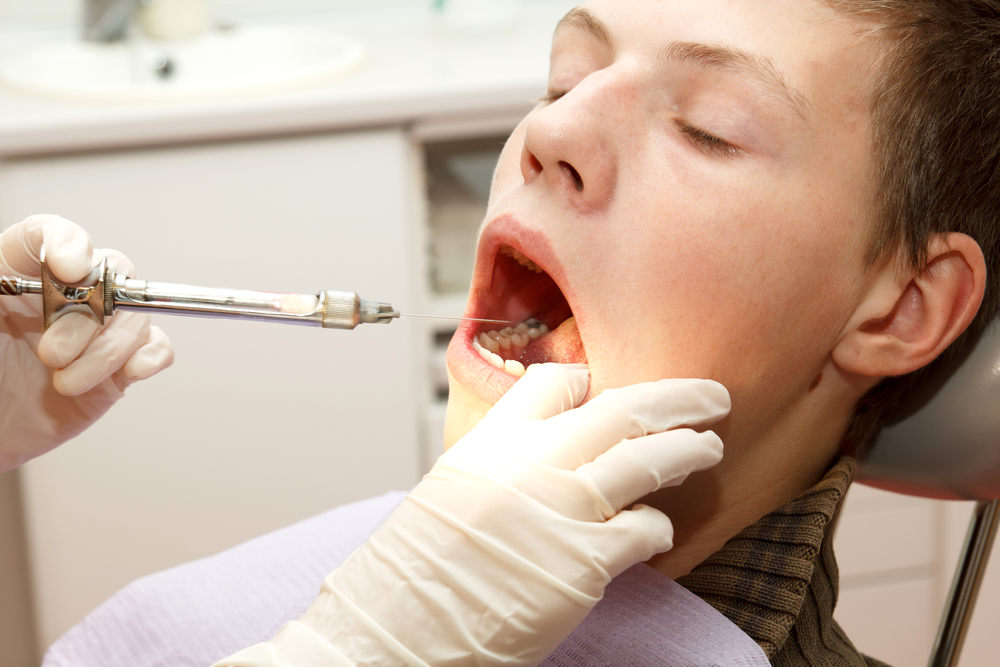
A Personalized Approach to Special Needs Dental Anesthesia
A diagnosis alone does not determine whether someone needs sedation or general anesthesia. The dental team must consider the patient’s health, treatment requirements, ability to tolerate the procedure, and response to other support methods.
At San Francisco Anesthesia, personalized care includes support for children and adults with special needs, as well as patients experiencing dental anxiety. Dr. Jana Sabo has a background in general dentistry and hospital-based postgraduate training in dental anesthesiology. Families can discuss their loved one’s communication preferences, sensory triggers, and past dental experiences to help the team understand what support may help.
Have questions about dental anesthesia for your loved one? Contact us to discuss your loved one’s needs and request an individual evaluation.
Understanding the Anesthesia Plan and Monitoring
Families should ask why a particular level of sedation or anesthesia is recommended and what alternatives may be appropriate. The discussion should cover expected benefits, possible risks, the provider’s qualifications, and the suitability of the treatment setting. Experience with pediatric patients and individuals with special health care needs is an important consideration when selecting an anesthesia provider.
Coordination between the treating dentist and anesthesia professional also supports careful planning. Monitoring during treatment and recovery allows the team to assess the patient’s condition and respond when additional support is needed.
Preparing for Treatment and Recovery
Preparation begins with sharing an accurate medical history, including medications, allergies, health conditions, and previous reactions to anesthesia. Families should follow the provider’s specific instructions about eating, drinking, and medication use before the appointment. Rather than changing a regular medication independently, ask the anesthesia team how it should be managed. Before treatment, clarify transportation arrangements and who will provide support afterward. Recovery instructions should explain supervision needs, when eating and drinking may resume, and which symptoms require contacting the care team.
Contact San Francisco Anesthesia with questions about preparation, treatment, and recovery.
Choosing dental anesthesia for a loved one starts with an individual evaluation and an open conversation. Families deserve clear answers about the proposed approach, preparation requirements, and recovery expectations. Understanding these details can help you feel more prepared to support your loved one through dental treatment.
Discuss Your Loved One’s Needs With San Francisco Anesthesia
San Francisco Anesthesia emphasizes personalized planning, communication, and attentive care for patients who need additional support during dental treatment. If you are considering dental anesthesia for a child or adult with special needs, contact us to discuss your questions and learn about the next steps toward an appropriate care plan.