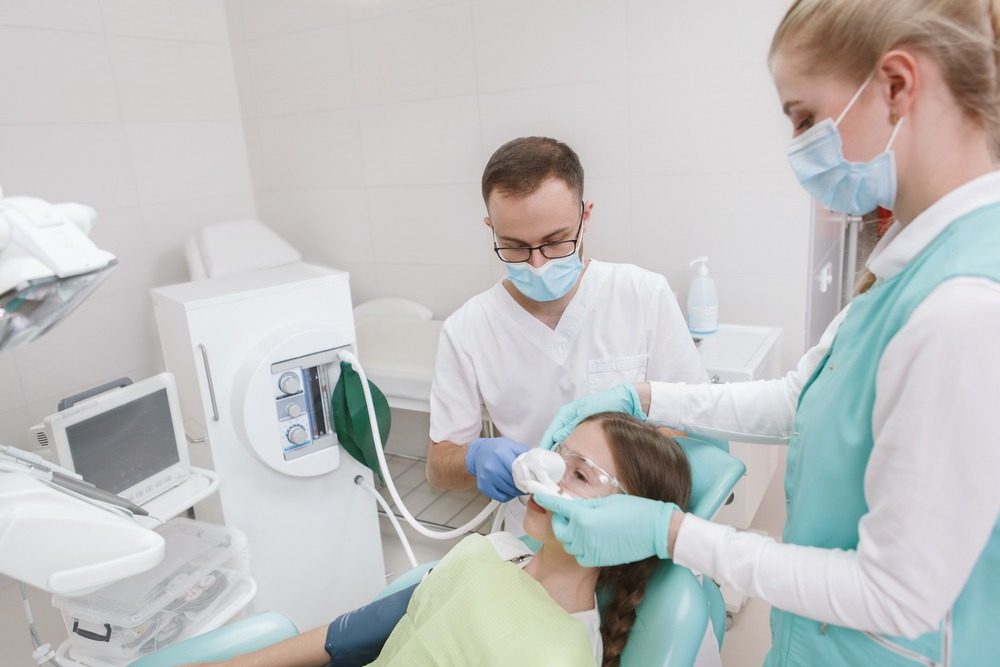
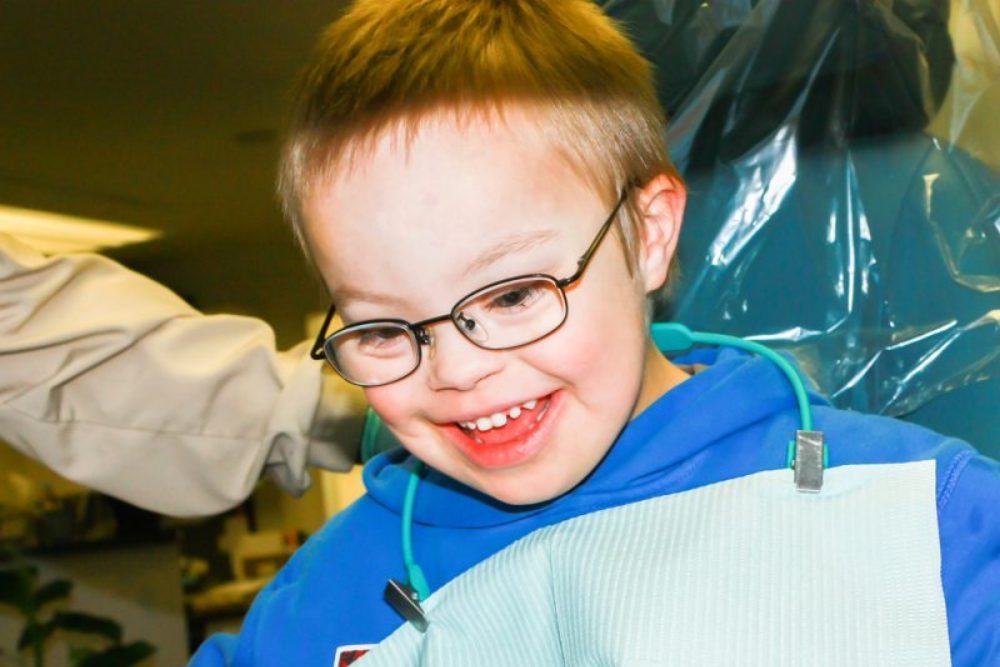
Feeling nervous about a dental appointment can make it difficult to schedule the care you need. You might worry about needles, unfamiliar sounds, discomfort, or the experience. These concerns deserve attention, especially when fear leads you to postpone treatment. Dental sedation can reduce anxiety during a procedure, making care more manageable for eligible patients. Understanding your options and discussing your concerns with the care team can help you take the first step toward a more comfortable appointment.

Moderate Sedation: Relaxed but Still Responsive
Moderate sedation reduces alertness while allowing you to respond purposefully to spoken instructions or a light touch. Patients generally breathe adequately on their own without assistance to keep their airway open. This level may help make dental treatment more manageable, but it does not mean you are fully unconscious. Your provider will explain what to expect and how discomfort will be addressed during the procedure.
San Francisco Anesthesia offers moderate sedation as part of its personalized dental anesthesia services; whether it is right for you depends on your medical history and treatment needs.
Contact San Francisco Anesthesia to ask about moderate sedation and discuss your upcoming dental procedure.
Deep Sedation: A Greater Reduction in Awareness
Deep sedation makes you harder to awaken than moderate sedation. You may still respond purposefully to repeated or painful stimulation, but routine conversation usually won’t elicit the same response. Breathing can become less effective, and assistance may be needed to maintain an open airway. Because sedation depth can change during treatment, the provider must be prepared to manage a deeper response than intended.
San Francisco Anesthesia provides deep sedation with individualized planning and close patient monitoring. During your consultation, ask why this level is being considered, what risks apply to you, and what recovery will involve.
General Anesthesia: Unconsciousness During Treatment
General anesthesia produces unconsciousness, meaning you cannot be awakened even by painful stimulation. Patients often need airway support, and assisted breathing may be required. These differences distinguish general anesthesia from moderate and deep sedation, even though all three fall on a continuum of anesthesia depth.
San Francisco Anesthesia offers general anesthesia for patients whose evaluation supports this approach. Your dental and anesthesia providers will consider your health, ability to tolerate treatment, and procedural requirements before making a recommendation. Ask how the proposed plan compares with other available options. Contact us with questions about general anesthesia, preparation instructions, and post-procedure care.
The main differences between moderate sedation, deep sedation, and general anesthesia involve responsiveness and the potential need for breathing support. Each approach requires appropriate assessment, monitoring, and preparation. Understanding these distinctions can help you participate in the discussion without feeling that you need to choose an option on your own. Your care team can explain the benefits, risks, and alternatives based on your individual circumstances.
Discuss Your Anesthesia Options With San Francisco Anesthesia
San Francisco Anesthesia provides moderate sedation, deep sedation, and general anesthesia through a personalized approach to dental care. If you have questions about which option best suits your treatment, contact San Francisco Anesthesia to discuss your concerns, review your health history, and learn the next steps toward an individual evaluation.